
How SpectraGI Works
Combining thermal science with artificial intelligence to revolutionize colorectal cancer detection.
SpectraGI represents a breakthrough in medical imaging technology. Our system captures thermal signatures in the gastrointestinal tract that correlate with cancerous and precancerous tissue. Malignant cells exhibit increased metabolic activity, generating measurable thermal deviation that standard visual examination cannot detect.
The SpectraGI system
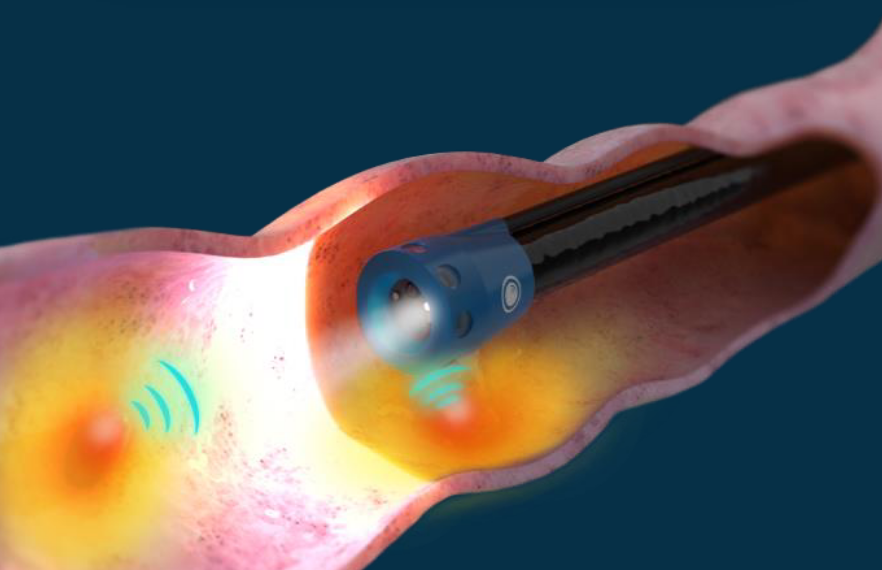
Step 1: Thermal Integration
Specialized thermal sensors integrated with standard endoscopic equipment capture high-resolution temperature data throughout the GI tract examination
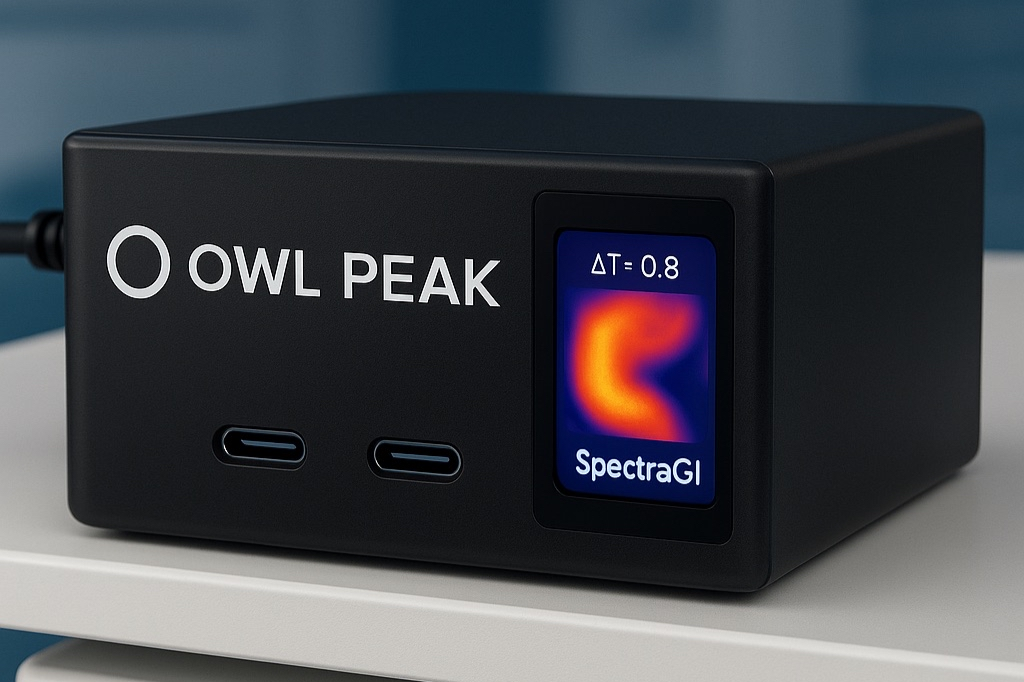
Step 2: AI Analysis
Our proprietary AI platform processes thermal signatures in real-time, identifying patterns consistent with cancerous and precancerous lesions.

Step 3: Clinical Action
Gastroenterologist receive immediate visual alerts highlighting areas requiring closer inspection or biopsy, enabling confident clinical decisions.
Scientific Foundation
Backed by rigorous science
The relationship between tissue metabolism and temperature has been studied for decades. Cancer cells consume significantly more glucose than normal cells, generating excess heat through increased metabolic activity. SpectraGI leverages advanced thermal sensing technology to detect these subtle temperature variations with unprecedented precision.
Proven Performance in Clinical Studies

Pilot Study Results
Our initial feasibility study demonstrated SpectraGI's ability to identify suspicious tissue with high sensitivity and specificity. In controlled clinical settings, the technology successfully detected cancerous lesions that would have been missed by traditional methods alone. This points to ideas about advanced endoscopy.

Ongoing Research
Multi-center clinical trials are currently underway to validate SpectraGI's effectiveness across diverse patient populations. Preliminary data continues to support the system's potential to significantly improve colorectal cancer screening outcomes.